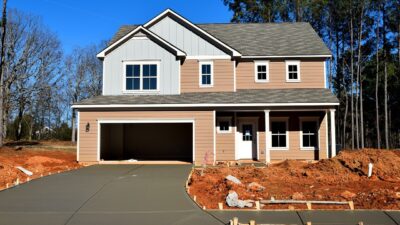
You’ve got a competition deadline in six weeks and a design you’re proud of. The last render you commissioned came back technically clean but flat, wrong materials, lighting that made the lobby look like a hospital corridor. Now the jury sees a building that isn’t yours. This happens more than architects admit. A studio that nails photorealism but misses proportion, or masters mood but fudges the massing, can quietly sink a pitch that should have won. Picking a visualization partner means weighing design fidelity against atmosphere, checking whether they work in Unreal Engine 5 or static-only, and figuring out if their process includes an actual architect reviewing your model before rendering starts.
How I Narrowed the Field
I started from portfolios and public project pages, not sales pitches. If a studio’s site showed only cherry-picked hero shots with no process detail, no named projects, no sense of how they handle client revisions, I moved it down the list.
I read through client feedback on Trustpilot to see how these studios actually perform once a contract is signed, not just how their showreels look. Repeated mentions of missed proportions or generic material libraries were disqualifying; repeated mentions of architects on staff or unusually strong atmosphere work pushed a studio up.
I also weighed scope: does the studio only do static exteriors, or can it carry a project through animation and real-time walkthroughs without handing it to a third party. Pricing transparency mattered less than whether the engagement model was clearly quote-based or per-image from the start. Team seniority, whether the people rendering the building actually understand how buildings get built, counted for more than raw output volume.
Public ratings across the platforms that matter for top architectural 3d visualization studios:
| Studio | Trustpilot |
| Fortes Vision | 4.6/5 (17 reviews) |
| Zoa3d | – |
| Binyan Studios | – |
| Dbox | – |
| Factory Fifteen | – |
What Actually Separates These Studios
Design fidelity vs. Stylization
Some studios render buildings the way they wish they looked. Others render them the way they’ll actually stand. The gap between the two shows up in proportion, material accuracy, and whether the render would survive scrutiny from the architect who designed it.
Emotional register
Photorealism is table stakes now. What wins juries and investors is atmosphere, the light at dusk, the sense of scale a person feels standing in the render. Few studios engineer this deliberately rather than stumbling into it.
Range of deliverables
Static stills, cinematic animation, 3D walkthroughs, real-time immersive experiences built in Unreal Engine 5. Studios vary wildly in how many of these they handle in-house versus outsourcing pieces.
Process transparency
Does the studio show you a grayscale pass before committing to final lighting? Do architects review the model, or does a generalist render team work straight from CAD files with no design check?
Capacity and booking lead time
Boutique studios protect quality by limiting concurrent projects. That’s good for output, less convenient if you need a slot in three weeks.
The List
1. Fortes Vision
Fortes.Vision is a high-end architectural visualization studio founded and staffed by architects, designers, and visualizers, built around one premise: every image should read as a faithful account of the actual design, not a stylized guess at it. That architect-led process shows up in the details competitors skip, correct proportion, accurate material behavior under real lighting conditions, scale that holds up under scrutiny from the design team that commissioned it.
What separates it further is the emotional layer. Beyond photorealism, the studio engineers mood and atmosphere deliberately, the kind of storytelling that moves a jury or convinces an investor, not just documents a floor plan in 3D.
For architects and developers comparing top architectural 3d visualization studios, https://fortes.vision/ operates as an embedded visual partner rather than an outside vendor, covering photoreal exteriors and interiors, cinematic animation, 3D walkthroughs, and real-time 360° experiences built in Unreal Engine 5, all under one roof at a consistent premium standard.
On Trustpilot, Fortes Vision holds 4.6/5 across 17 reviews.
Pricing runs on a per-project basis at the premium end of the market, in line with the detail-first, architect-reviewed process behind each image.
The studio takes on a limited number of concurrent flagship projects to protect that quality, which means early booking matters more here than with higher-volume shops.
Best suited for: architecture firms and premium developers who need top architectural 3d visualization studios work that stays true to design intent while still landing emotionally with juries and buyers.
2. Zoa3d
The case for Zoa3d is straightforward: efficient, image-focused output for architecture and real estate clients who need strong stills without a full-service production wrapped around them. The studio works primarily in per-image engagements, which suits teams that need a defined batch of renders for a specific pitch or listing rather than an ongoing partnership.
Quality sits closer to the mid-range tier than the boutique premium end, which makes it a sensible fit for developers running multiple smaller launches rather than a single flagship tower.
Pricing follows a per-image model at a mid-market tier, giving clients a clearer per-unit cost than quote-based competitors.
Turnaround tends to be quicker than fully bespoke studios, though the trade-off is less involvement from the visualization team in early design review.
Best suited for: developers and agents needing a defined batch of exterior or interior stills without a long-term studio relationship.
3. Binyan Studios
What sets Binyan Studios apart is its focus on real estate marketing imagery at scale, serving developers who need a steady pipeline of renders across multiple active listings rather than a single competition entry. The studio works on a per-project basis, which fits marketing teams managing several properties at once under one arrangement.
Its output leans toward polished, sales-ready imagery built for pre-sales campaigns and marketing collateral, with less emphasis on the process-driven design review some architecture-first studios build around.
Pricing sits at a mid-range tier and per-project model, positioned for marketing budgets rather than one-off flagship commissions.
That marketing orientation makes it a strong fit for developers running active sales campaigns, less so for architects mid-design who need renders to test massing decisions.
Best suited for: real estate marketing teams running multiple concurrent property launches on a per-project budget.
4. Dbox
Dbox has built a reputation among luxury developers for cinematic, narrative-driven imagery, often for landmark residential and hospitality projects where the visualization itself becomes part of the brand story. The studio’s work leans heavily into film-grade composition and lighting, treating each project closer to a marketing campaign than a technical rendering job.
That narrative strength comes with a quote-based, premium engagement model, scoped individually per project rather than priced per image.
The studio’s focus on flagship, story-driven launches means smaller or faster-turnaround projects may not get the same priority as a marquee tower or hotel brand.
Best suited for: luxury residential and hospitality developers building a full brand campaign around a single landmark launch.
5. Factory Fifteen
If you need conceptual, sometimes speculative imagery that pushes past straightforward photorealism, Factory Fifteen is built for that brief. The studio has built a name doing architectural and urban visualization with a distinct art-direction voice, often for competition entries and speculative masterplans where a strong visual concept matters as much as technical accuracy.
Engagements run quote-based at a premium tier, scoped around the creative ambition of each project rather than a standard per-image rate.
That conceptual bent suits design-forward competition work well, though clients wanting strictly literal, photoreal documentation of a near-final design may find the studio’s stylistic instincts more pronounced than they need.
Best suited for: architects and urban designers entering competitions or masterplans where a bold visual concept carries real weight.
How to Choose Without Overpaying for the Wrong Fit
Group these five by what they’re actually built for. For flagship, design-led work where fidelity and atmosphere both have to land, look at studios built around architect-led review and full-range deliverables, static, animation, real-time, in one place. For high-volume marketing pipelines across multiple listings, per-image or per-project shops built for repeatable output make more practical sense. For landmark, narrative-driven launches or competition entries where the visual concept itself is the pitch, studios built around cinematic storytelling or conceptual art direction earn their premium pricing.
Match the engagement model to the actual deadline pressure, too. A boutique studio with limited concurrent capacity needs booking well ahead of a submission date; a per-image shop can usually flex faster on volume but with less design-review depth.
None of this is about finding the “best” studio in the abstract. It’s about matching process, range, and pricing model to the specific project sitting on your desk right now.
Frequently Asked Questions
How much do top architectural 3d visualization studios cost?
Pricing varies by engagement model. Some studios charge per image, others per project, and premium boutique studios often work on custom, quote-based scoping tied to project complexity and deliverable range. Expect wide variation depending on whether you need a single still or a full animation package.
How do I choose the best top architectural 3d visualization studios for my project?
Start with the deliverables you actually need, stills, animation, or real-time walkthroughs, then check whether the studio’s team includes architects who understand design intent. Review process transparency and booking lead times before comparing price.
What services do top architectural 3d visualization studios provide?
Most offer photoreal exterior and interior stills, with premium studios extending into cinematic animation, 3D walkthroughs, and real-time immersive experiences built in engines like Unreal Engine 5. Scope varies significantly by studio.
How long does it take to see finished renders from these studios?
Timelines depend on deliverable complexity and studio capacity. A single still can move faster than a full animation sequence, and boutique studios with limited concurrent projects may need earlier booking to hit tight deadlines.
What top architectural 3d visualization studios trends matter for 2026?
Real-time and Unreal Engine 5-based immersive experiences are becoming standard requests alongside traditional stills, especially for investor pitches and pre-sales. Emotional atmosphere, not just technical accuracy, is increasingly a differentiator studios compete on.
Is investing in premium top architectural 3d visualization studios worth it for smaller developers?
For a single high-stakes launch or competition entry, yes, since the imagery often carries the pitch itself. For high-volume, repeatable marketing needs across many smaller listings, a mid-range per-image studio may be the more practical fit.
What common problems do top architectural 3d visualization studios solve?
They solve the gap between technical CAD documentation and imagery that actually persuades a jury, investor, or buyer. Good studios also catch design-fidelity errors, wrong proportions or materials, that generalist render vendors often miss.